Heart & Vascular Health Blog
Evidence-based insights on cardiovascular and vascular health from Dr. Peter Chang — written to help patients and their families make informed decisions.
Niacin for Triglycerides: An Old Drug's Unique Niche
Niacin is the lipid-lowering veteran that lowers triglycerides by up to half, trims LDL, raises HDL and lowers lipoprotein(a), all at once. Dr. Peter Chang explains the two-route mechanism, why AIM-HIGH and HPS2-THRIVE ended its reign, and which Singapore patients might still benefit.


Pomelo and Your Medication: A Mooncake Festival Warning
Pomelo is a Mid-Autumn Festival staple, and generally healthy — but eating a large amount alongside certain heart medications can be genuinely risky. Dr. Peter Chang explains the pomelo drug interaction behind statins like simvastatin and atorvastatin, and calcium channel blockers like nifedipine, with the exact amounts that matter.

Alcohol Withdrawal and Atrial Fibrillation: The Link
Atrial fibrillation does not only strike during a heavy drinking session — it often arrives a day or two later, as the body withdraws from alcohol. Dr. Peter Chang explains the sympathetic surge behind alcohol withdrawal atrial fibrillation, how it differs from holiday heart syndrome, and what actually protects your heart rhythm.

Plaque Rupture: The Real Cause of Most Heart Attacks
When Taiwanese entertainer Chen Jian-Zhou, 49, was rushed into emergency heart surgery this week, the cause was almost certainly plaque rupture — the sudden tearing of a fatty deposit inside an artery wall that drives 60 to 80% of heart attacks. Dr. Peter Chang explains why it happens with little warning, and to whom.

Why Did My Calcium Score Go Up? The Four Real Reasons
A repeat coronary calcium scan that comes back higher unsettles most patients, but a rising number rarely means simple bad news. Some of the increase is measurement noise, some is genuine new plaque, and some — especially on treatment — is soft plaque hardening into a safer form. Dr. Peter Chang explains how to tell which is which.

Pacemaker After TAVI: The Risk, and Why It's Falling
A permanent pacemaker is the most common complication of TAVI, because the replacement valve lands millimetres from the heart's electrical wiring. Dr. Peter Chang explains the anatomy behind it, why self-expanding valves once carried the highest risk, and how a change in implant technique has pushed the rate down.

Vascular Medicine Specialist: Singapore's Only ABVM Doctor
A vascular medicine specialist diagnoses and manages artery, vein and lymphatic disease without operating. Elsewhere the same doctor is called an angiologist or, for veins, a phlebologist. Dr. Peter Chang explains the role, and the path to becoming the only ABVM-certified physician in Singapore.

Lowering Lp(a): So Close, Yet So Far Away
On 4 September 2026, Novartis announced that pelacarsen lowered Lp(a) by around 80% but failed to cut cardiovascular events in the 8,323-patient Lp(a) HORIZON trial. Dr. Peter Chang unpacks a genuine disappointment: what it means when a superb risk predictor does not become a useful drug target.

Corona Phlebectatica: Closer to a Leg Ulcer Than You Think
A fan of tiny veins spreading across the inner ankle is easy to dismiss as spider veins. It has a name, corona phlebectatica, its own CEAP category, and it raises the odds of a future venous leg ulcer around fourfold. Dr. Peter Chang explains what it means and what to do about it.

Is It Too Late to Prevent Heart Disease at 50?
A 2026 study in the New England Journal of Medicine scanned the arteries of nearly 17,000 healthy adults. By 50, half of men and a third of women already had silent plaque. Dr. Peter Chang explains what that means for prevention, and what you can still change after midlife.

Vitamin K2, D3 and Coronary Calcium: The DANCODE Trial
The 2026 DANCODE trial found that daily vitamin K2 with vitamin D3 slowed coronary artery calcification by about 21% in people who already had severe calcium. Dr. Peter Chang explains what that does and does not mean, why it is not reversal, and the warfarin warning that comes with it.

Frank's Sign: The Earlobe Crease Linked to Heart Disease
A diagonal crease across the earlobe, known as Frank's sign, has been linked to coronary artery disease for fifty years. Dr. Peter Chang explains how to spot it, what it actually means for your heart, and why it is a prompt to check your numbers rather than a diagnosis.

Weaning Off Ozempic and Wegovy: A Cardiologist's Plan
Stopping a GLP-1 like Ozempic or Wegovy without a plan usually means regaining two-thirds of the weight within a year. Dr. Peter Chang explains how to taper off safely, protect your heart, and turn the medication's head start into habits that last.

Your LDL Cholesterol Target Is Not on the Lab Report
Most Singapore lab reports print a reference range next to your LDL cholesterol result, and if you fall under it the report looks reassuring. That range is a population average, not a target set for your risk. The 2026 AHA guideline, and a cardiologist, decide your real number.
Ankle-Brachial Index: The Heart Risk Test You Missed
A five-minute comparison of ankle and arm blood pressure, the ankle-brachial index detects peripheral artery disease and predicts heart attacks better than a cholesterol panel. Dr. Peter Chang explains why one arm reading at home cannot do the same job.

Fatty Liver Disease and GLP-1 Inhibitors: A Cardiologist's Guide to Metabolic and Heart Protection
Fatty liver (MASLD) is more than a liver issue — it is a major driver of cardiovascular disease. Dr. Peter Chang discusses how GLP-1 receptor agonists are transforming fatty liver treatment and lowering heart risks in Singapore.

Uric Acid Level and Increased Cardiovascular Risk
Hyperuricemia is strongly linked to heart disease, but does uric acid actively cause cardiovascular events? Dr Peter Chang explores findings from the ALL-HEART and FAST trials and what they mean for your heart health.
Rubidium vs Thallium Myocardial Perfusion Imaging
Myocardial perfusion imaging (MPI) evaluates blood flow to the heart, but the choice of tracer matters. While traditional Thallium-201 SPECT is a time-tested tool for cardiac viability, Rubidium-82 PET/CT has emerged as the modern gold standard. Here is a clinical comparison of accuracy, radiation dose, and diagnostic clarity.

CoQ10 Singapore: Heart Health and Endothelial Evidence
CoQ10 is one of the most purchased heart supplements in Singapore — but the evidence behind it ranges from genuinely impressive to decidedly thin. A 2024 meta-analysis confirmed significant endothelial benefits; the Q-SYMBIO trial showed a 43% reduction in cardiovascular events. The statin muscle-pain claim is murkier. Here is what the trials show.

Do Compression Stockings Actually Work? The Evidence
Compression stockings are prescribed for everything from varicose veins to long-haul flights — yet they generate more scepticism than almost any other medical device. The clinical evidence is genuinely uneven: strong for some indications, thin for others. Here is what the trials actually show.

Heavy Aching Legs: Is It Your Veins? Singapore Guide
Heavy, aching legs that build through the day are a classic sign of chronic venous disease — yet they are routinely dismissed as tiredness or age. This guide explains the venous mechanism, how doctors grade severity, what to expect from treatment, and how long sclerotherapy takes to work in Singapore.

Are Varicose Veins Hereditary? Genes, Risk & Prevention
If varicose veins run in your family, your risk is not just slightly elevated — it may be as high as 90%. Robust genetic evidence from twin studies and a genome-wide study of over 800,000 people explains why. Here is what that means practically, and what you can do about it in Singapore.

Gout in Singapore: The Most Under-Treated Painful Condition
Gout is almost entirely preventable — a cheap daily pill keeps most patients completely free of attacks. Yet it remains among the most chronically under-treated painful conditions in Singapore and worldwide. Here is why, and what the evidence says about fixing it.

Varicose Vein Treatments: VenaSeal vs RFA vs EVLA Singapore
Four minimally invasive treatments now dominate varicose vein care in Singapore — VenaSeal, RFA (ClosureFast), EVLA, and sclerotherapy. Each works differently, costs differently, and suits different patients. Here is what the clinical trials actually show, and how a vascular specialist chooses between them.

Coronary Calcium Score Explained: What Your Number Means
A coronary calcium score is one of the most powerful — and most misunderstood — tests in preventive cardiology. In 10 minutes, without a single needle, it maps the calcified plaque in your arteries into one number. Here is what that number means, what zero actually guarantees, and whether any of it can be reversed.

Are Statins Safe? The Myths, the Evidence, and the Answers
Statins have generated more myths per milligram than almost any other drug class in history. Do they cause dementia, cancer, or muscle damage? And what actually happens if you stop? A Singapore cardiologist works through the evidence — and the answer is not what most health forums suggest.

Warning Signs of a Heart Attack Every Patient Should Know
Warning signs of a heart attack are not always the dramatic clutch-the-chest moment films portray. Nearly half of all heart attacks present without classic chest pain — and women are disproportionately affected. A landmark Circulation study found 95% of women experienced prodromal symptoms weeks before their event; most attributed them to fatigue or stress.

LDL vs HDL Cholesterol: Which Number Matters More?
Your lipid panel comes back with six numbers and most patients only know that one of them is 'good' and one is 'bad'. The evidence is more nuanced — and more actionable — than that. Here is what your LDL, HDL, and non-HDL numbers actually mean for your cardiovascular risk.

How to Lower Cholesterol Naturally: Evidence-Based Guide
High cholesterol is one of Singapore's most common cardiovascular risk factors — and many patients are surprised how much diet and exercise alone can shift the needle. The Portfolio Diet can reduce LDL by up to 35% in controlled trials, and the evidence for lifestyle-first management has never been stronger.

AF Burden: When Ablation Outperforms Antiarrhythmic Drugs
Not all time spent in atrial fibrillation is equal — how much AF you carry predicts stroke, heart failure, and quality of life far better than a simple diagnosis. Multiple landmark trials confirm that ablation reduces AF burden more effectively than medication, and delays progression from paroxysmal to persistent AF in ways drugs cannot match.

Restless Legs Syndrome & Venous Reflux: The Vascular Link
Most people with restless legs syndrome are handed a neurology referral. But a growing body of evidence suggests the real culprit, in a significant proportion of cases, is venous reflux — a problem treatable by a vascular specialist, not a sleep physician.

Vitamin D, Calcium & K2: What Heart Patients Need to Know
Millions of Singaporeans take vitamin D and calcium supplements — but for heart patients, the wrong formulation can accelerate arterial calcification. Here is what the evidence says, and what to take instead.

Leg Cramps at Night: Causes, Red Flags & When to Worry
Night leg cramps wake you up without warning — a sudden, violent tightening in the calf that takes minutes to release. For most people they are benign. But for some, they are the first signal of a circulatory or nerve problem that deserves proper investigation.
Can Atrial Fibrillation Be Cured?
AF cannot be cured in the way an infection can be cured. But for a meaningful proportion of patients, it can be put into long-term remission — and for virtually everyone, it can be managed in a way that protects against its most serious consequence: stroke.

Heart Screening Before Exercise: Who Needs One and What to Expect
Most people who collapse during exercise had no prior symptoms. They felt fine. A pre-exercise cardiac screening won't guarantee anything — but it identifies the conditions most likely to cause a problem before they get the chance to.

Spider Veins vs Varicose Veins: What's the Difference?
Most people who notice fine red lines on their legs worry they have varicose veins. Most people with varicose veins assume it's just cosmetic. Both assumptions can lead you astray. Here's what actually sets these two conditions apart — and when it matters.
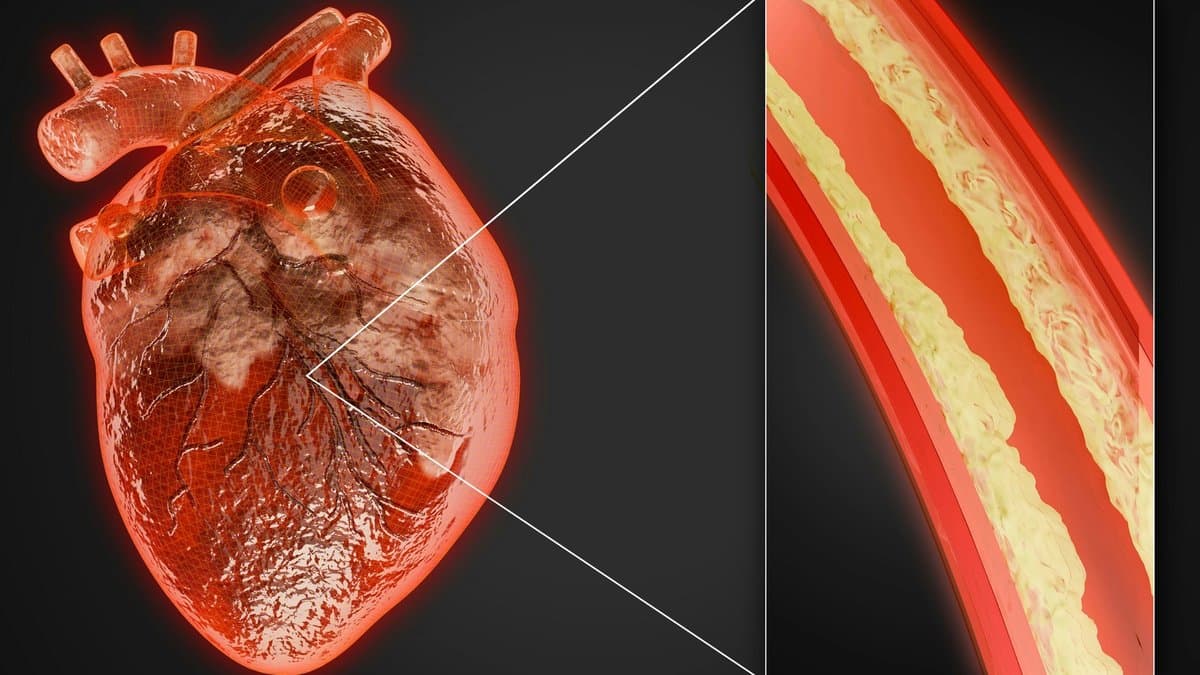
Plaque, Atherosclerosis & Silent Heart Disease: What You Cannot Feel Can Still Kill You
Most heart attacks happen in people who felt perfectly fine beforehand. Atherosclerosis builds silently for decades — and the plaques most likely to rupture are often not the most obstructive ones.

The Frequent Flyer's Real Health Risks: Radiation, DVT, and Circadian Stress
Executives who fly extensively face real cardiovascular risks — but cosmic radiation is the least of their concerns. DVT, cabin hypoxia, and chronic circadian disruption deserve far more attention.

From Confusion to Clarity: A 37-Year-Old Woman's Lipedema Story
A 37-year-old woman struggled for years with heavy, painful legs before receiving a dual diagnosis of lipedema and venous reflux. Through ultrasound and combined treatment, she achieved significant relief.

Atrial Fibrillation and Stroke Risk: What You Need to Know
AF raises stroke risk fivefold. In Singapore, NOACs have replaced warfarin as standard care — and new research suggests selected ablation patients may safely stop anticoagulation under specific conditions.

How Long Does a Cup of Coffee Keep You Awake?
A cup of coffee reaches peak caffeine levels within 15–45 minutes and maintains noticeable effects for 5–6 hours due to caffeine's half-life. Here's what that means for your sleep.

The Search for Sleep: Finding Rest in a Restless World
Chronic insomnia raises the risk of depression, anxiety, diabetes, and high blood pressure. These evidence-backed strategies address the root causes — not just the symptoms.

You Will Never Regret Washing Your Face at Night
Nightly face washing removes accumulated bacteria, supports skin healing during sleep, and helps prevent wrinkles. Here is why it matters — and how to do it properly.

Battle of Cats and Dogs: Which Pet Is Better for Your Heart?
Research shows both cats and dogs benefit cardiovascular health — but dogs hold a slight edge through the exercise and activity they encourage. Here is what the science says.

Milk Does a Body Good: Why Adults Should Keep It on the Menu
A daily glass of milk delivers nine essential nutrients including calcium, vitamin D, and protein — with a 2018 Lancet study linking regular dairy intake to a 22% lower risk of heart disease.
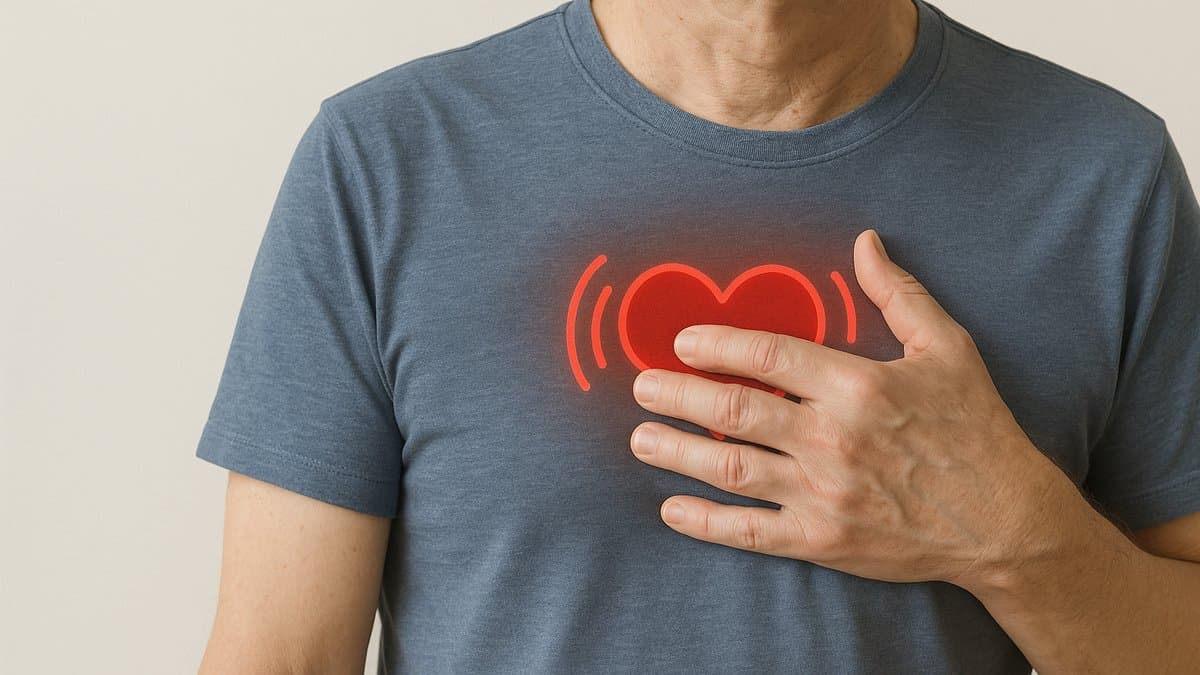
Understanding Atrial Fibrillation: Symptoms, Risks & Treatment Options
Atrial fibrillation is the most common sustained heart rhythm disorder. Learn how to recognise the symptoms, what risks it carries, and the treatment options available in Singapore.
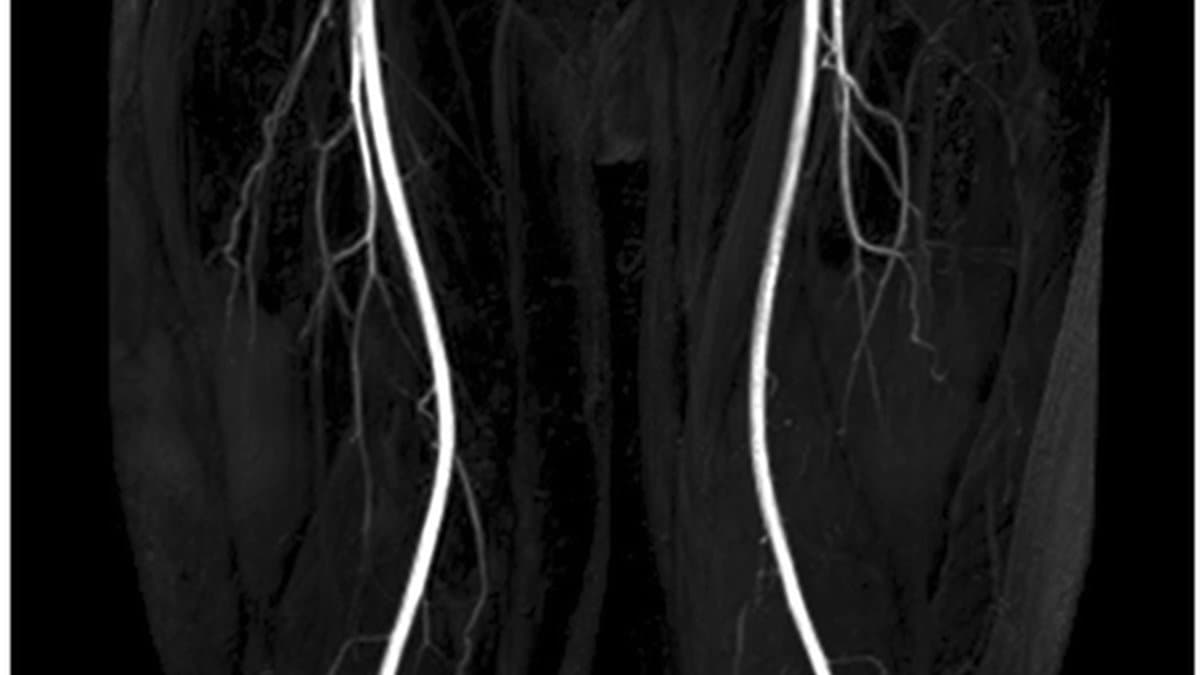
5 Warning Signs of Peripheral Artery Disease You Should Not Ignore
Peripheral artery disease affects millions globally and is often missed. Dr. Chang explains the key warning signs and why early diagnosis is critical.
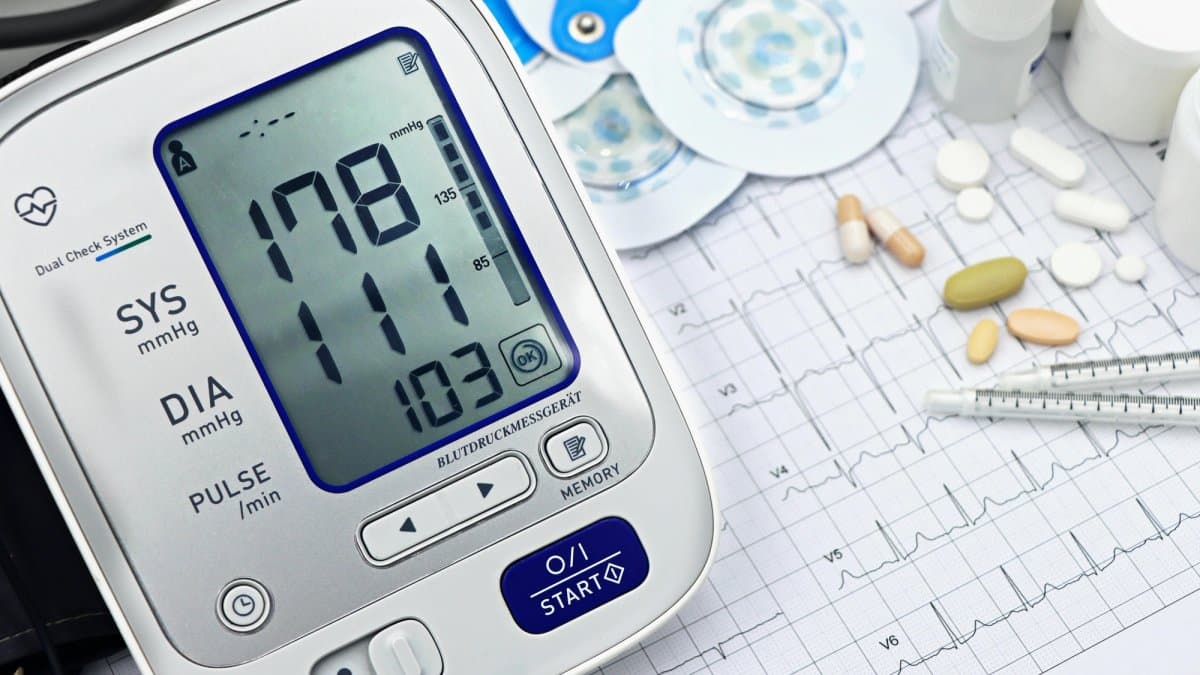
Managing High Blood Pressure: Lifestyle Changes That Actually Work
Hypertension is often called the silent killer. Beyond medication, evidence-based lifestyle changes can significantly lower your blood pressure and reduce cardiovascular risk.
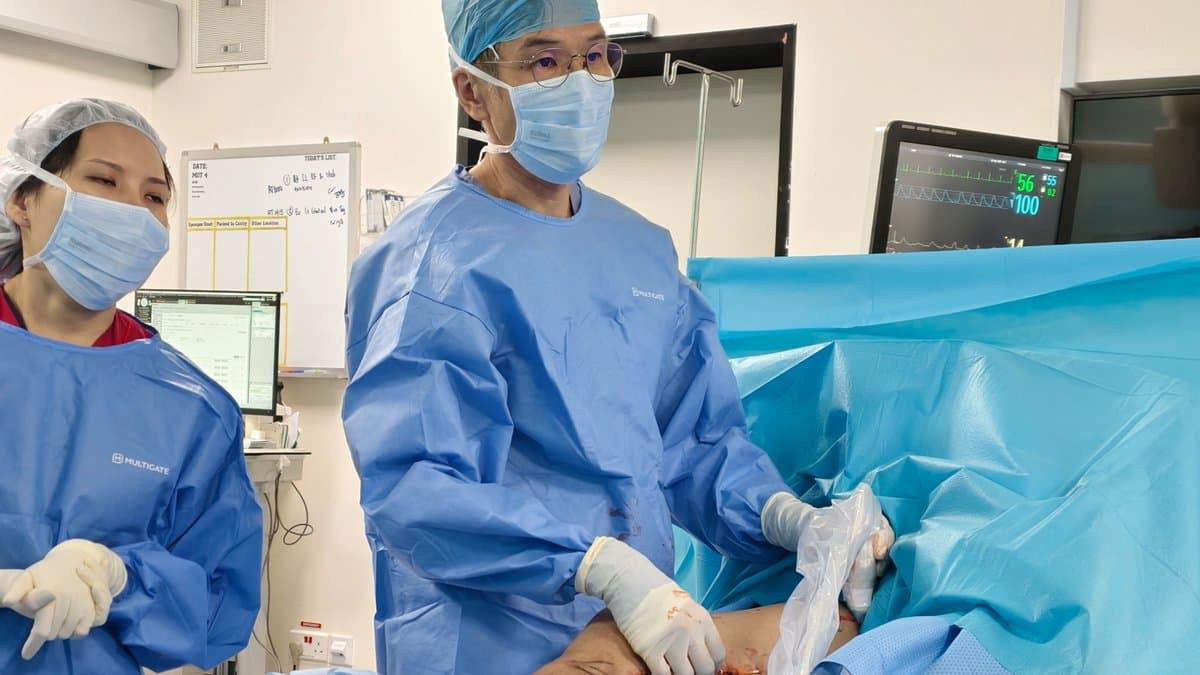
Radiofrequency Ablation for Varicose Veins: What to Expect
Modern treatment for varicose veins is minimally invasive and highly effective. Dr. Chang walks through the radiofrequency ablation procedure step by step.

What Does Your Coronary Calcium Score Mean?
A coronary calcium score is one of the most powerful tools for assessing heart attack risk — even before symptoms appear. Here's how to interpret your results.
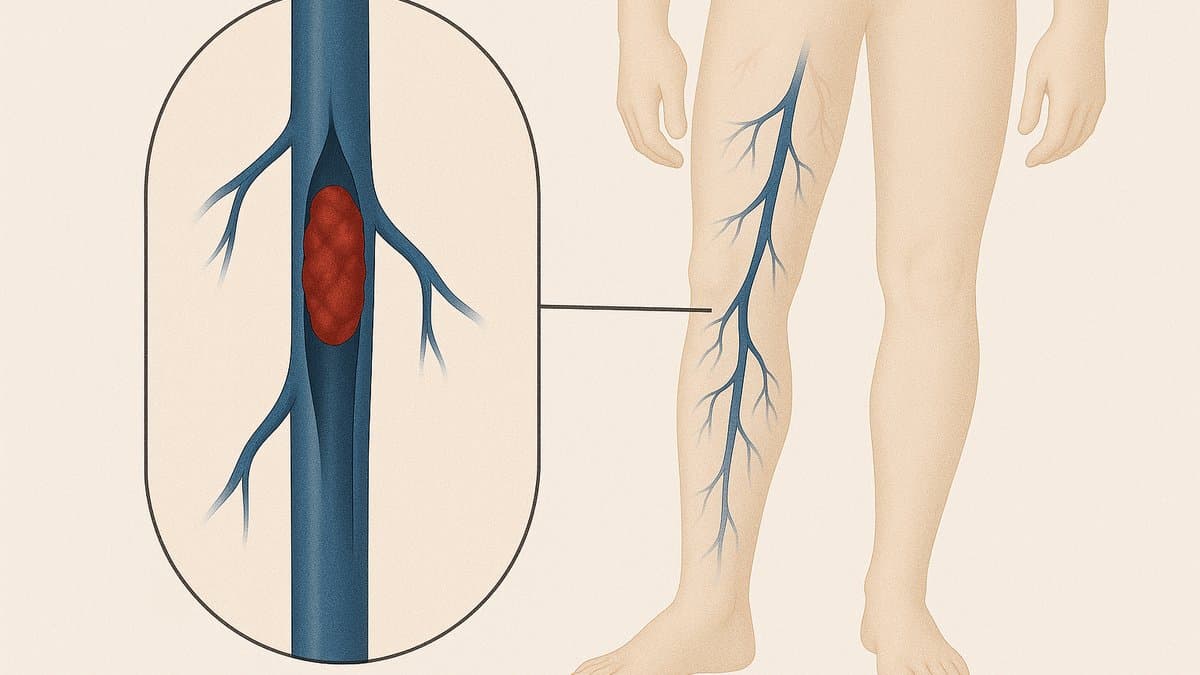
Deep Vein Thrombosis: Prevention, Diagnosis & Treatment
DVT can be life-threatening if a clot travels to the lungs. Dr. Chang covers who is at risk, how it is diagnosed, and the full range of treatment options available.
More articles coming soon.
This section will be updated regularly with new posts from Dr. Chang.