Deep Vein Thrombosis: Prevention, Diagnosis & Treatment
Dr. Peter Chang
Triple Board-Certified Cardiologist & Vascular Specialist
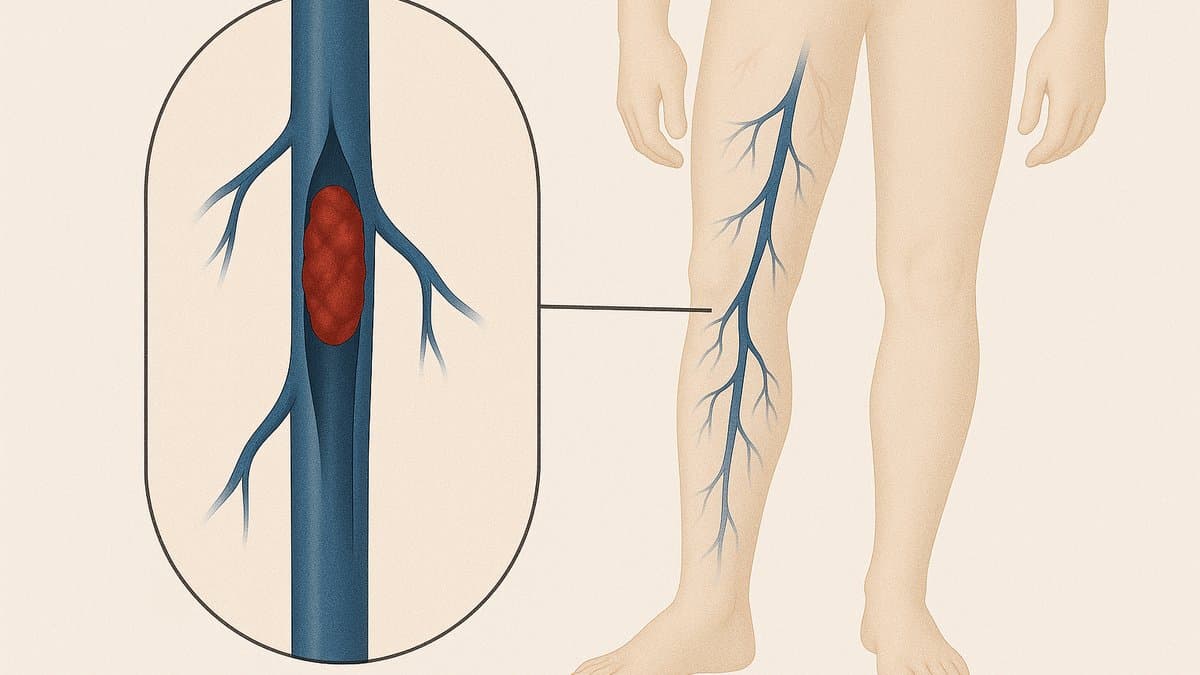
Symptoms of Deep Vein Thrombosis
Who Is at Risk?
- Prolonged immobility: long-haul flights over 4 hours, bed rest, post-surgical recovery
- Surgery and trauma — especially orthopaedic procedures (hip and knee replacement carry the highest perioperative risk)
- Active cancer — increases clotting tendency 4–7 fold
- Pregnancy and the postpartum period
- Oral contraceptive pills and hormone replacement therapy
- Hereditary thrombophilia (e.g., Factor V Leiden, Protein C or S deficiency)
- Age over 60
- Obesity
- Previous DVT or pulmonary embolism
How DVT Is Diagnosed
Treatment: Anticoagulation
Treatment: Catheter-Directed Thrombolysis and Mechanical Thrombectomy
Prevention: During Travel, Surgery, and Daily Life
Frequently Asked Questions
Common Questions About Deep Vein Thrombosis
How do I know if I have DVT?
The most common symptoms are unilateral leg swelling, pain, warmth, and redness — particularly in the calf. However, DVT can be completely asymptomatic. If you develop sudden breathlessness or chest pain, seek emergency care immediately as this may indicate pulmonary embolism. Any suspected DVT should be assessed urgently within 24 hours.
Can DVT resolve on its own?
Small DVTs occasionally dissolve spontaneously, but this cannot be predicted reliably. Untreated DVT carries a significant risk of extension, pulmonary embolism, and post-thrombotic syndrome — a chronic condition causing persistent leg heaviness, swelling, and skin changes. All confirmed DVTs should be assessed and treated.
Is DVT a medical emergency?
DVT itself is serious but not immediately life-threatening. However, if pulmonary embolism is suspected — sudden breathlessness, chest pain, or collapse — this IS a medical emergency requiring immediate care. Any suspected DVT warrants urgent assessment within 24 hours.
Can I fly after a DVT?
Flying with active DVT is generally not recommended until anticoagulation treatment has been established and the clot is stable — typically after at least 2–4 weeks of treatment. After this period, flying with anticoagulation and compression stockings is generally considered safe. Discuss timing and specific precautions with your doctor before any travel.
How long does DVT treatment last?
Treatment duration depends on the cause: a provoked DVT (e.g., following surgery) typically requires 3 months of anticoagulation; an unprovoked DVT requires a minimum of 3–6 months with reassessment of recurrence risk; cancer-associated DVT is usually managed with indefinite anticoagulation.