Skip to content
LifestylePublished: October 2025Updated: 3 min read

You Will Never Regret Washing Your Face at Night

A consistent nightly face-washing routine is one of the simplest and highest-impact skincare habits available. By the end of the day, your face has accumulated dirt, oil, dead skin cells, and environmental pollutants — all of which interfere with the skin's natural overnight repair process. Here is what the evidence shows about the benefits, and the correct technique to make it count.

PC

Dr. Peter Chang

Triple Board-Certified Cardiologist & Vascular Specialist
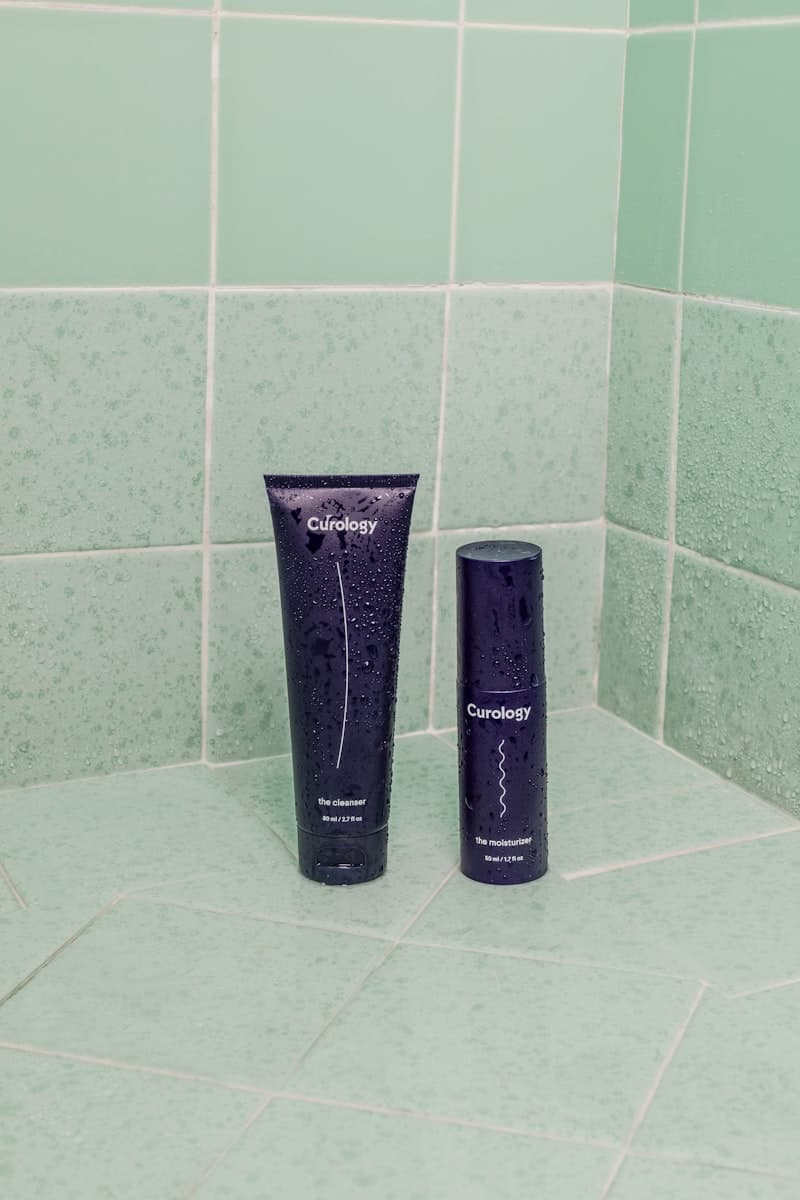
You Will Never Regret Washing Your Face at Night

Reduces Acne and Breakouts

By the end of the day, your face is among the dirtiest surfaces on your body. Unconsciously touching your face transfers bacteria and environmental particles onto skin that is already coated in sebum and dead cells. Together these clog pores, create the anaerobic conditions bacteria thrive in, and trigger inflammation — the mechanism behind acne. Washing thoroughly each night removes this accumulated layer before it can cause blockages. For those prone to breakouts, this single habit consistently outperforms most topical spot treatments.

Accelerates Skin Healing During Sleep

Skin has a well-documented circadian rhythm — cell division, collagen production, and repair activity all peak at night during sleep. Pollution particles, UV-generated reactive oxygen species, and residual environmental contaminants that accumulate during the day directly interfere with these processes. Washing your face before bed removes these barriers, giving skin the clean environment it needs to repair efficiently. Any treatment products you apply — moisturiser, retinoids, vitamin C — also penetrate and perform significantly better on clean, receptive skin.

Helps Prevent Wrinkles

Environmental exposure throughout the day generates free radicals that break down collagen — the structural protein that keeps skin firm and elastic. While sunscreen during the day is the primary defence, nightly cleansing removes the day's accumulated oxidative burden before it can continue degrading collagen overnight. This is a meaningful contribution to long-term skin ageing prevention, especially for those living in urban environments with high pollution exposure.

How to Wash Your Face Properly

Technique matters as much as habit. Follow this sequence for best results:
  • Wash your hands first — transferring hand bacteria defeats the purpose
  • Wet your face with lukewarm water (hot water strips the skin barrier)
  • Apply the recommended amount of face wash and massage in circular motions for at least 30–60 seconds
  • Rinse thoroughly — residual cleanser causes irritation and dryness
  • Pat dry gently with a clean, soft towel (never rub)
  • Apply moisturiser immediately while skin is slightly damp to seal in hydration

Frequently Asked Questions

Common Questions About You Will Never Regret Washing Your Face at Night

What type of face wash should I use?

For oily or acne-prone skin, a foaming or gel-based cleanser containing salicylic acid works well. For dry or sensitive skin, a gentle cream or micellar cleanser that does not strip the skin barrier is preferable. If you are unsure, a fragrance-free, pH-balanced gentle cleanser suits most skin types.

Can I just use water to wash my face at night?

Water alone does not remove oil-soluble pollutants, sunscreen residue, or sebum effectively. A proper cleanser is necessary to emulsify and lift these from the skin. Micellar water is a good option for those who find traditional face washing irritating.

Does face washing really prevent wrinkles long-term?

Directly, the evidence is limited. However, by removing environmental pollutants that generate collagen-degrading free radicals, consistent cleansing contributes to slower cumulative skin ageing. The main proven benefits are breakout prevention and maximising the efficacy of any skincare products applied afterward.

↑ Back to top

Speak to Dr. Peter Chang

Specialist assessment and personalised management at Paragon Medical Centre, Singapore. Same-week appointments available.