Managing High Blood Pressure: Lifestyle Changes That Actually Work
Dr. Peter Chang
Triple Board-Certified Cardiologist & Vascular Specialist
The DASH Diet: The Single Most Effective Dietary Strategy
Reducing Sodium Intake
Regular Aerobic Exercise
Weight Management and Central Obesity
Sleep Quality and Obstructive Sleep Apnoea
Limiting Alcohol
When Lifestyle Changes Are Not Enough
Frequently Asked Questions
Common Questions About Managing High Blood Pressure
How much can lifestyle changes lower blood pressure?
The combined effect of optimal lifestyle changes — DASH diet, sodium reduction, weight loss, regular exercise, and alcohol moderation — can reduce systolic blood pressure by 20–30 mmHg in highly motivated patients, comparable to two antihypertensive drugs. In practice, most people achieve a 10–15 mmHg reduction with sustained, consistent lifestyle change.
What is a dangerously high blood pressure reading?
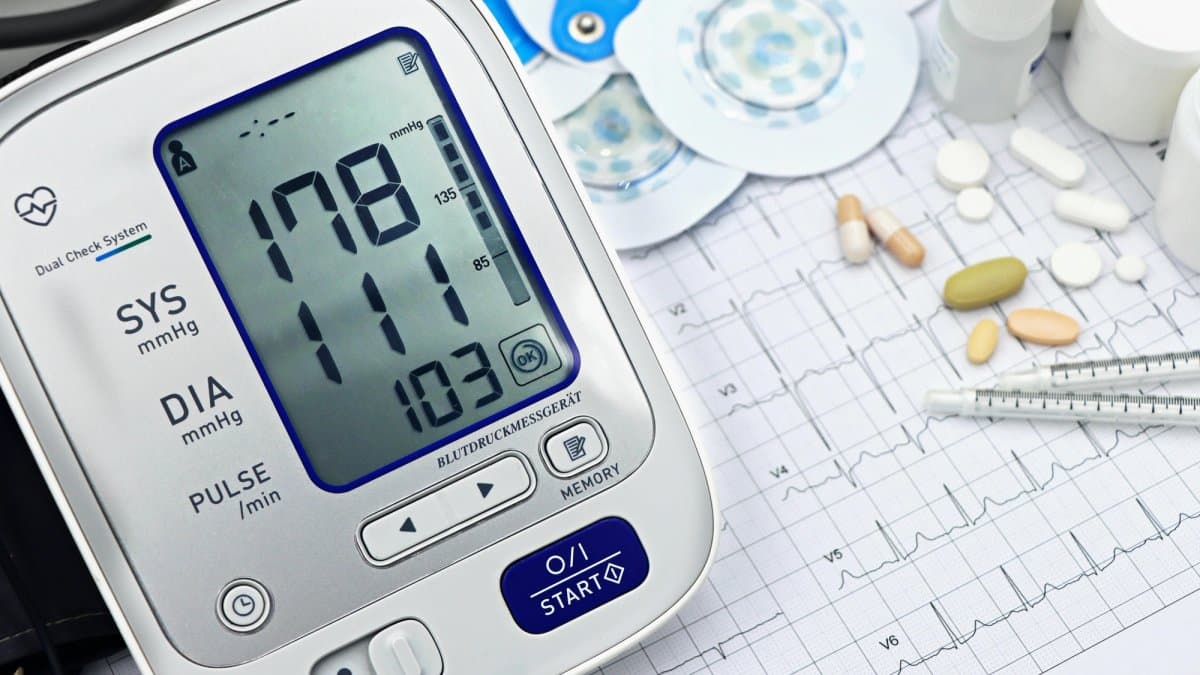
Blood pressure above 180/120 mmHg is classified as a hypertensive emergency or urgency and requires urgent medical attention, particularly if accompanied by chest pain, severe headache, visual disturbance, or breathlessness.
What foods lower blood pressure the most?
Foods with the strongest evidence include leafy greens (potassium, magnesium), beets (dietary nitrates), berries (flavonoids), oats (soluble fibre), and low-fat dairy (calcium). The overall dietary pattern — specifically the DASH diet — matters more than any single food.
When should I see a specialist for high blood pressure in Singapore?
Consider seeing a cardiologist if your blood pressure remains above 140/90 mmHg despite treatment, you are on three or more antihypertensive medications, secondary causes are suspected (kidney disease, hormonal disorders), or you have evidence of end-organ damage affecting the heart, kidneys, brain, or eyes.