Skip to content
VenousPublished: December 2024Updated: 4 min read

Radiofrequency Ablation for Varicose Veins: What to Expect

Varicose veins affect approximately 25–30% of adults and can range from a cosmetic concern to a source of significant pain, swelling, skin changes, and in severe cases, venous ulcers. For decades, the standard treatment was surgical stripping — an operation requiring general anaesthesia, hospitalisation, and weeks of recovery. Today, radiofrequency ablation (RFA) has largely replaced surgery as the preferred treatment. It is minimally invasive, highly effective, performed under local anaesthesia as a day procedure, and allows most patients to walk out of the clinic and return to normal activities within 24 hours.

PC

Dr. Peter Chang

Triple Board-Certified Cardiologist & Vascular Specialist
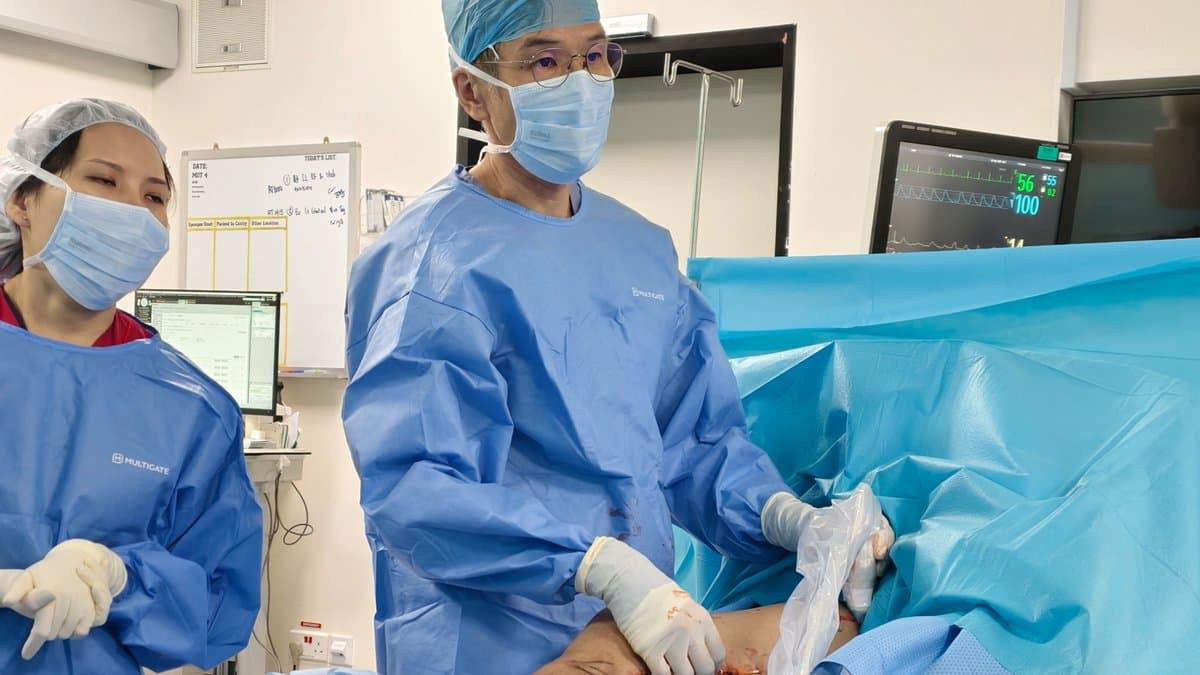
Radiofrequency Ablation for Varicose Veins: What to Expect

Why Varicose Veins Develop

Varicose veins develop when the one-way valves inside the superficial veins of the leg fail. Normally, these valves open to allow blood to flow upward toward the heart and close to prevent backflow. When they become incompetent, blood pools in the vein, causing it to enlarge, elongate, and become tortuous beneath the skin. The underlying mechanism is chronic venous insufficiency (CVI). Left untreated, CVI can lead to persistent leg swelling, skin thickening and darkening, venous eczema, and ultimately venous ulcers — open wounds on the lower leg that are notoriously slow to heal.

What Is Radiofrequency Ablation?

Radiofrequency ablation is a catheter-based procedure that uses controlled thermal energy to permanently seal diseased veins from within. A thin catheter — approximately 2 mm in diameter — is inserted into the target vein under ultrasound guidance. Controlled radiofrequency energy is delivered along the catheter, heating the vein wall to approximately 120°C. This causes the collagen in the vein wall to contract and the vein to collapse and seal permanently. Over the following weeks, the body reabsorbs the treated vein — it simply disappears. The procedure targets the great saphenous vein (GSV) and small saphenous vein (SSV) — the main trunks responsible for most varicose disease — rather than the visible surface varices directly.

The Procedure: Step by Step

Knowing exactly what happens on the day reduces anxiety and helps patients prepare:
  • Consultation and duplex mapping: A venous duplex ultrasound is performed to map the anatomy and identify which veins are affected and the extent of reflux
  • Preparation: The skin is cleaned and tumescent local anaesthesia is injected along the length of the vein — this thoroughly numbs the area and protects surrounding tissue from heat
  • Catheter insertion: Under ultrasound guidance, a thin catheter is inserted through a small puncture at the knee or calf (no incision, no sutures)
  • Energy delivery: The catheter is slowly withdrawn while delivering radiofrequency energy, sealing the vein in controlled 7 cm segments
  • Compression: A compression stocking is applied immediately after and worn for 1–2 weeks to support healing and minimise bruising

What to Expect During Recovery

One of the major advantages of RFA over traditional surgery is the rapid, comfortable recovery. Most patients walk immediately after the procedure. Return to desk work is typically the next day; physical labour after 3–5 days. Light walking is encouraged from day one; jogging and intense exercise can be resumed after 2 weeks. Some bruising and mild tenderness along the treated vein is normal and resolves within 1–2 weeks. A post-procedure duplex ultrasound at 1 week confirms successful vein closure. Sclerotherapy of residual surface varices, if needed, is typically performed 4–6 weeks later.

How RFA Compares to Surgery

Multiple randomised controlled trials and long-term registry data confirm that RFA is equivalent or superior to surgical stripping in long-term effectiveness, with 5-year vein closure rates exceeding 90%. Compared to surgery, RFA involves significantly less post-operative pain and bruising, no wound complications or scarring, no general anaesthesia, faster return to work and normal activities, and lower risk of nerve injury.

Who Is a Good Candidate?

Most patients with symptomatic varicose veins due to great or small saphenous vein reflux are candidates for RFA. Suitability is determined by duplex ultrasound findings at consultation. RFA may not be appropriate if the target vein has previously clotted (superficial thrombophlebitis), is excessively tortuous in the ablation zone, or lies very superficially under the skin. Your vascular specialist will assess suitability and recommend the most appropriate treatment approach.

Frequently Asked Questions

Common Questions About Radiofrequency Ablation for Varicose Veins

Is radiofrequency ablation for varicose veins painful?

The procedure is performed under tumescent local anaesthesia — the area around the vein is thoroughly numbed before ablation begins. Most patients feel only mild pressure or warmth during the procedure. Some experience temporary soreness or bruising along the treated vein in the days after, which is easily managed with paracetamol.

How long does radiofrequency ablation take?

A single leg typically takes 45–60 minutes. Both legs can be treated on the same day if clinically appropriate.

What is the long-term success rate of RFA?

Studies show vein closure rates exceeding 90% at 5 years, making RFA one of the most durable minimally invasive treatments for varicose veins.

Will my varicose veins come back after RFA?

The treated vein is permanently sealed and does not reopen. However, varicose vein disease can affect other veins over time. Some patients develop new varices years later, particularly if underlying risk factors — prolonged standing, obesity, family history — are not addressed.

Is radiofrequency ablation covered by insurance in Singapore?

Coverage varies by insurer and policy. Integrated Shield Plans (ISPs) frequently cover RFA for symptomatic varicose veins when deemed medically necessary. It is recommended to confirm coverage with your insurer and obtain pre-authorisation before the procedure.

↑ Back to top

Speak to Dr. Peter Chang

Specialist assessment and personalised management at Paragon Medical Centre, Singapore. Same-week appointments available.