VenousMinimally Invasive
Radiofrequency Ablation
A gentle, heat-based treatment to permanently seal off diseased varicose veins, offering quick recovery and no surgical scarring.
Radiofrequency ablation (RFA) is a minimally invasive thermal technique that closes the great or small saphenous vein using controlled radiofrequency energy delivered via catheter — the definitive treatment for saphenous vein reflux with same-day discharge.
Book a Consultation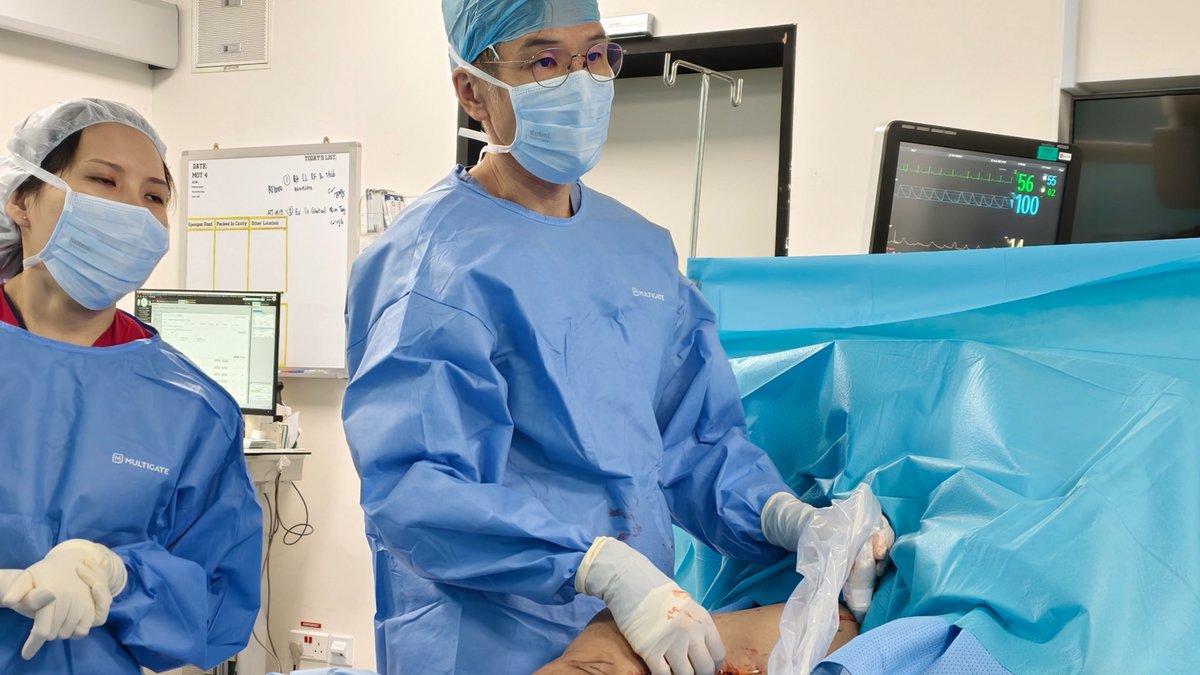
Radiofrequency ablation delivers controlled heat to safely close off the malfunctioning vein, redirecting blood flow to healthy veins.
Sealing the Leaking Vein Instead of Stripping It
For a century, the standard treatment for a refluxing saphenous vein was to surgically tie it off and pull it out — effective, but with a general anaesthetic, groin incision and weeks of recovery.
Radiofrequency ablation achieves the same result through a single needle puncture. A thin catheter is threaded up the faulty vein under ultrasound, and controlled heat is delivered to the wall, causing the vein to shrink and seal shut. Blood simply reroutes into the many healthy deep veins — the leaking channel is gone, and with it the back-pressure that caused the varicose veins, aching and swelling. It is now the recommended first-line treatment in most international guidelines.
Radiofrequency ablation achieves the same result through a single needle puncture. A thin catheter is threaded up the faulty vein under ultrasound, and controlled heat is delivered to the wall, causing the vein to shrink and seal shut. Blood simply reroutes into the many healthy deep veins — the leaking channel is gone, and with it the back-pressure that caused the varicose veins, aching and swelling. It is now the recommended first-line treatment in most international guidelines.

What the Procedure Involves
It is a walk-in, walk-out procedure under local anaesthetic, taking 30 to 60 minutes per leg.
- A numbing injection at a single entry point, usually near the knee
- The catheter is positioned with ultrasound, just short of the groin (for the great saphenous vein) or the back of the knee (for the small saphenous vein)
- A cuff of dilute local anaesthetic is placed around the whole vein — this numbs it and protects the skin and nerves from the heat
- The vein is heated and sealed segment by segment as the catheter is withdrawn
- Bulging surface branches can be dealt with in the same sitting by foam sclerotherapy or tiny punctures
Radiofrequency or Laser?
Endovenous laser ablation works in the same way, using light instead of radiofrequency to generate the heat. Long-term success rates are very similar, at around 90 to 95% vein closure at five years for both. Radiofrequency tends to cause a little less bruising and post-procedure discomfort, which is why Dr. Chang generally favours it, but a well-performed laser treatment is an equally good option.
Recovery and Cost in Singapore
You walk immediately afterwards, and walking is actively encouraged — it lowers the small risk of a clot. Most people return to desk work the same or next day and to the gym within one to two weeks, wearing a compression stocking during that time. Expect some tightness and bruising along the vein for a couple of weeks. When done for symptomatic reflux confirmed on ultrasound, radiofrequency ablation is generally Medisave-claimable and covered by integrated Shield plans in Singapore; private fees are typically in the region of SGD 3,000 to SGD 6,000 per leg before these apply.
Radiofrequency Ablation: Common Questions
Considering Radiofrequency Ablation?
Dr. Peter Chang will assess your suitability and discuss all treatment options during a specialist consultation at Paragon Medical Centre, Singapore.