VascularInterventional
Peripheral Angioplasty & Stenting
A catheter-based procedure designed to open narrowed or blocked arteries in the legs, relieving pain and promoting wound healing.
Peripheral angioplasty, atherectomy, and stenting are catheter-based techniques that restore arterial blood flow to the legs — treating claudication, critical limb ischaemia, and non-healing wounds caused by peripheral artery disease.
Book a Consultation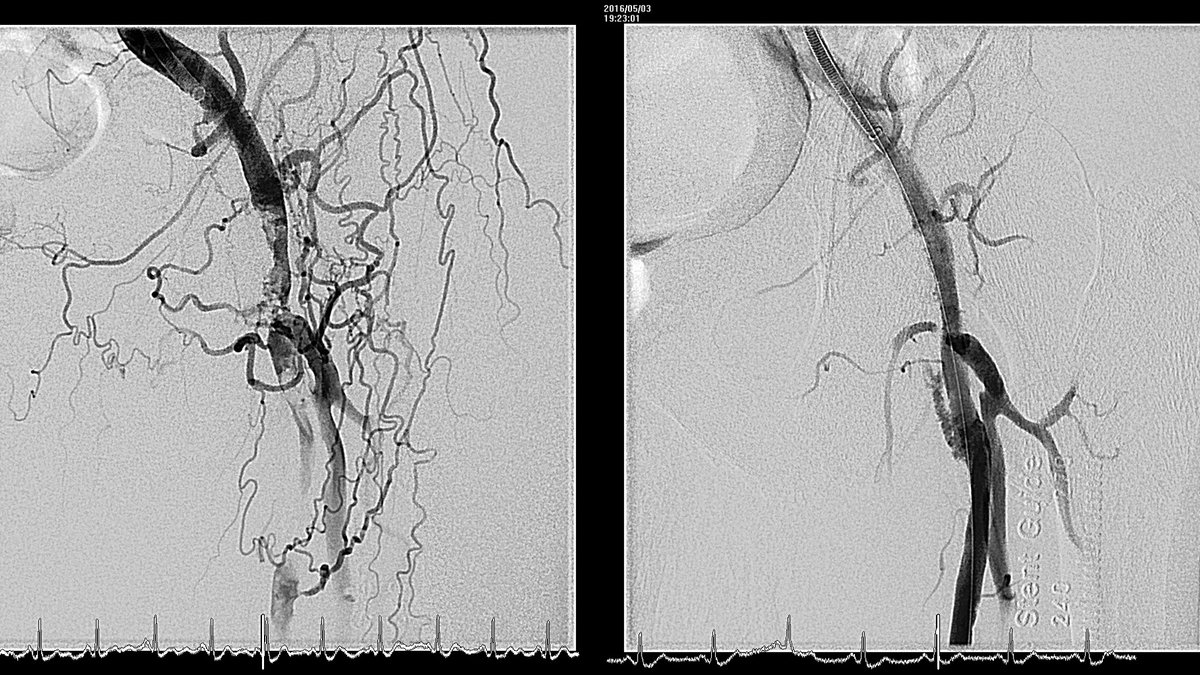
Peripheral angioplasty restores blood circulation to the lower limbs by expanding narrowed arteries with a balloon and stent.
Restoring the Blood Supply to the Leg
In peripheral arterial disease, plaque narrows the arteries feeding the legs. Mild disease causes cramping calf pain on walking; severe disease causes pain at rest, wounds that will not heal, and a real risk of losing the limb.
Peripheral angioplasty reopens these arteries from within. Through a small puncture in the groin or arm, Dr. Chang passes a wire across the blockage and inflates a balloon to widen it. A drug-coated balloon leaves behind medication that keeps the artery from re-narrowing; a stent is placed only where the vessel would otherwise spring back or has torn. It is a keyhole alternative to bypass surgery, done under local anaesthetic.
Peripheral angioplasty reopens these arteries from within. Through a small puncture in the groin or arm, Dr. Chang passes a wire across the blockage and inflates a balloon to widen it. A drug-coated balloon leaves behind medication that keeps the artery from re-narrowing; a stent is placed only where the vessel would otherwise spring back or has torn. It is a keyhole alternative to bypass surgery, done under local anaesthetic.

The Techniques Available
The right approach depends on where the blockage is and how hard and calcified it is:
- Plain and drug-coated balloon angioplasty — the mainstay, especially for the thigh and calf arteries
- Stenting — reserved for the iliac arteries in the pelvis, or as a bail-out for a poor balloon result
- Atherectomy — shaving or drilling away bulky calcified plaque before ballooning
- Re-entry techniques — specialist tools for crossing arteries that have been completely blocked for months
When a Procedure Is the Right Choice
For stable cramping pain alone, a supervised walking programme plus a statin, an antiplatelet and stopping smoking is genuinely first-line — it often improves walking distance as much as a procedure, without the risks. Angioplasty comes into its own when:
- Walking distance is severely limited despite a real attempt at exercise therapy and medication
- There is rest pain in the foot, particularly at night
- A foot ulcer or area of gangrene is not healing — here revascularisation is urgent and limb-saving
Recovery in Singapore
Most peripheral angioplasty is a day case or one overnight stay. With groin access you lie flat for a few hours; with arm access you are mobile almost straight away. Bruising is common and settles over a week or two. You continue an antiplatelet long-term, and Dr. Chang checks the result with an ankle-brachial index and a duplex ultrasound at intervals over the first year, since treated leg arteries can re-narrow and a repeat procedure is sometimes needed.
It Treats the Leg, Not the Disease
Someone with leg artery disease has a much higher than average risk of heart attack and stroke, because the same plaque is building elsewhere. Opening a leg artery does nothing about that. The parts that lengthen life — a high-intensity statin, blood-pressure and diabetes control, and above all complete smoking cessation — matter more than the procedure itself and are non-negotiable afterwards.
Peripheral Angioplasty & Stenting: Common Questions
Considering Peripheral Angioplasty & Stenting?
Dr. Peter Chang will assess your suitability and discuss all treatment options during a specialist consultation at Paragon Medical Centre, Singapore.