VenousMinimally Invasive
Pelvic Vein Embolisation
A keyhole procedure that blocks enlarged veins in the pelvis, effectively curing chronic pelvic pain caused by pelvic congestion syndrome.
Pelvic vein embolisation (PVE) is a minimally invasive catheter-based procedure that permanently closes dilated, refluxing pelvic veins causing pelvic congestion syndrome — performed as an outpatient intervention under local anaesthesia without surgical incisions.
Book a Consultation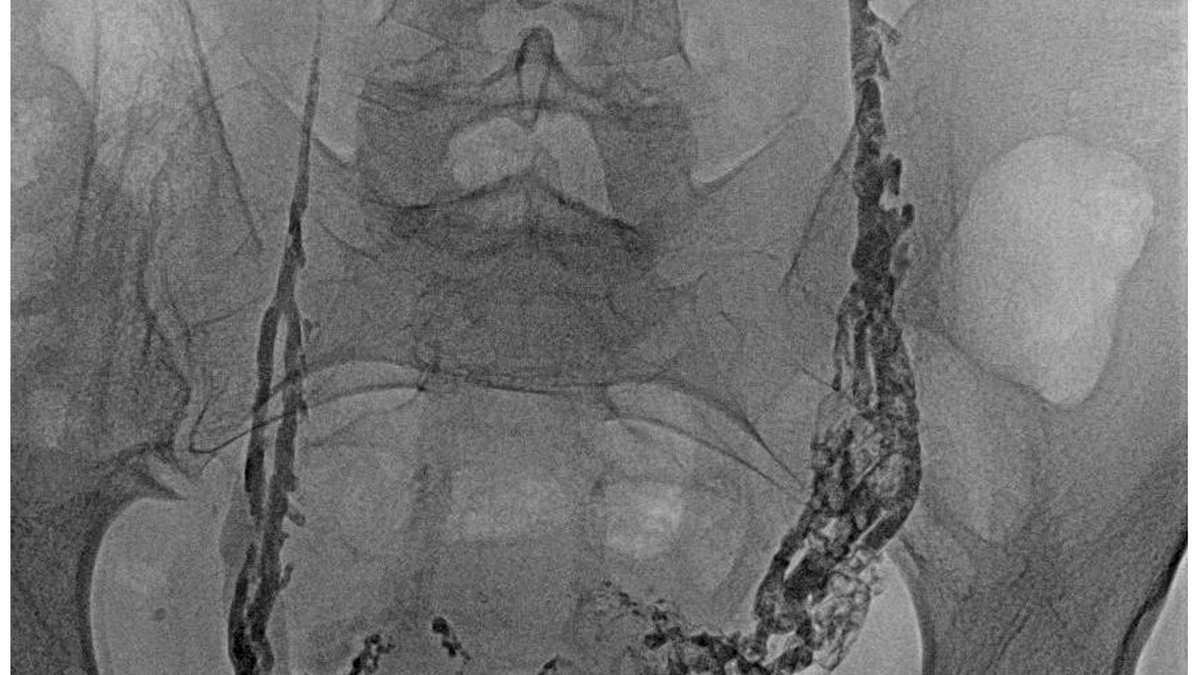
Pelvic vein embolisation permanently seals off the malfunctioning veins, relieving the heavy, aching pain associated with pelvic congestion.
A Cause of Chronic Pelvic Pain That Is Often Missed
Pelvic congestion syndrome is the pelvic equivalent of varicose veins. The ovarian and pelvic veins lose the competence of their valves, blood pools in a tangle of dilated veins around the womb and ovaries, and the result is a dull, dragging ache low in the pelvis that is worse after standing all day, before periods, and after intercourse.
It is under-recognised because a normal pelvic scan and normal gynaecological examination do not exclude it. Pelvic vein embolisation treats it directly by sealing the faulty veins from the inside, through a pinhole in the skin.
It is under-recognised because a normal pelvic scan and normal gynaecological examination do not exclude it. Pelvic vein embolisation treats it directly by sealing the faulty veins from the inside, through a pinhole in the skin.

The Procedure
Under local anaesthetic with light sedation, a fine catheter is passed from a vein in the neck or groin down into the ovarian and pelvic veins. A contrast injection maps the reflux, and the abnormal veins are then blocked off with small metal coils and a foam sclerosant, so blood can no longer pool in them. It takes 45 to 90 minutes, there is no incision or stitch, and you go home the same day.
Recovery and What to Expect
Most women are up and about the next day.
- A day case — home a few hours after the procedure, with someone to accompany you
- Light activity within 2 to 3 days, desk work within 3 to 5 days
- Post-embolisation syndrome — a few days of cramping, mild fever and tiredness — is common and expected, and settles with simple painkillers
- Pain relief is gradual, building over weeks to a few months as the treated veins shrink
Who It Is For
Embolisation is considered when:
- Pelvic pain has been present for six months or more and fits the pattern of pelvic congestion
- Dilated, refluxing pelvic veins are confirmed on ultrasound, CT or MRI venography
- A gynaecologist has assessed for and excluded other causes such as endometriosis
- Simple measures and medication have not given enough relief
- It may be combined with treatment of related vulval or upper-thigh varicose veins fed by the same pelvic source
Results and Safety
Studies consistently show meaningful, lasting pain reduction in roughly 70 to 85% of properly selected women, and international guidelines regard embolisation as the first-line procedure for pelvic congestion syndrome. It is a low-risk outpatient intervention; the main issues are bruising at the puncture site, transient nausea, and the expected post-embolisation syndrome. Coil migration is rare and retrievable. Fertility is not impaired — the ovaries keep their normal blood supply through other channels.
Pelvic Vein Embolisation: Common Questions
Considering Pelvic Vein Embolisation?
Dr. Peter Chang will assess your suitability and discuss all treatment options during a specialist consultation at Paragon Medical Centre, Singapore.