Skip to content
Medicine

High Blood Pressure

A common condition in which the long-term force of the blood against your artery walls is high enough that it may eventually cause health problems.

Hypertension is a sustained elevation in blood pressure that silently damages the heart, arteries, kidneys, and brain. It affects approximately one in three Singapore adults, with many cases remaining undiagnosed or poorly controlled.

Book a Consultation
Doctor measuring a patient's blood pressure

High blood pressure puts extra strain on your heart and blood vessels, serving as a major, yet treatable, risk factor for cardiovascular disease.

High Blood Pressure: The Silent Strain

Blood pressure is the force the blood exerts against the artery walls with each heartbeat. When it stays high year after year, that extra force slowly wears out the organs it reaches — thickening and stiffening the heart, damaging the small vessels of the kidneys and eyes, and greatly raising the risk of stroke.

The catch is that it produces no symptoms until damage is done. Hypertension affects roughly one in three adults in Singapore, and a large share are either undiagnosed or not controlled to target. It is the single biggest contributor to stroke, and it is one of the most treatable risk factors there is.

The Numbers, and How to Read Them

A blood pressure is written as systolic (the higher number, the pressure as the heart beats) over diastolic (the lower number, the pressure between beats). Over the age of 50 the systolic number matters most.
  • Normal — below 120/80 mmHg
  • Elevated — 120–129 / below 80
  • Stage 1 — 130–139 / 80–89
  • Stage 2 — 140/90 or above
  • Hypertensive crisis — above 180/120, which needs urgent assessment
  • A single high reading is not a diagnosis; it needs repeating, ideally with home or 24-hour monitoring to exclude ‘white-coat’ readings and catch pressure that is normal in clinic but high elsewhere

Symptoms: Usually None

The dangerous myth about high blood pressure is that you would feel it. Most people with significant hypertension have no headache, no dizziness, no nosebleeds — nothing at all — which is exactly why it is called the silent killer.

Genuine warning symptoms belong to a hypertensive emergency: a severe headache with blurred vision, chest pain, sudden breathlessness, weakness or slurred speech, or new confusion. Any of these with a very high reading means calling 995. Short of that, the only way to know your blood pressure is to measure it.

Primary or Secondary, and Who to Screen

In 90 to 95% of people, hypertension is primary — a mix of genes, dietary salt, excess weight, inactivity, alcohol and age. The remaining 5 to 10% have a secondary cause that is often correctable.
  • Primary aldosteronism — more common than once thought, present in perhaps 1 in 10 people with hypertension; worth screening if your pressure is resistant, you are young, your potassium is low, or an adrenal nodule is found
  • Narrowing of a kidney artery, obstructive sleep apnoea, thyroid disease, and kidney disease
  • Medicines — regular anti-inflammatory painkillers, decongestants, steroids, some contraceptives, and liquorice
How We Confirm and Assess It in Singapore

How We Confirm and Assess It in Singapore

Diagnosis relies on good technique — seated and rested, the correct cuff size, an average of several readings — backed by a home blood pressure log or a 24-hour ambulatory monitor.

Once confirmed, we check for organ strain and secondary causes: an ECG and sometimes an echocardiogram, kidney function and a urine protein test, electrolytes, glucose and a lipid panel, and an aldosterone-to-renin ratio where a secondary cause is suspected. This is arranged at Paragon Medical Centre on Orchard Road.
Treatment: Lifestyle That Works, and the Right Drugs

Treatment: Lifestyle That Works, and the Right Drugs

Lifestyle change comes first and continues alongside any medication.
  • Less salt — aim for under 5 to 6 g of salt a day; in Singapore, hawker dishes, soups and sauces are the main source, not the salt shaker
  • A DASH or Mediterranean-style diet, 150 minutes of weekly activity, and weight loss — each kilogram lost lowers pressure by roughly 1 mmHg
  • Limit alcohol, stop smoking, and treat sleep apnoea
  • Medication when lifestyle is not enough or risk is high — usually an ACE inhibitor or ARB, or a calcium channel blocker, often as a low-dose single-pill combination, with a thiazide-like diuretic added, and spironolactone for resistant cases. The usual target is below 130/80, eased in the frail elderly
Living With It: Monitoring and the Long Game

Living With It: Monitoring and the Long Game

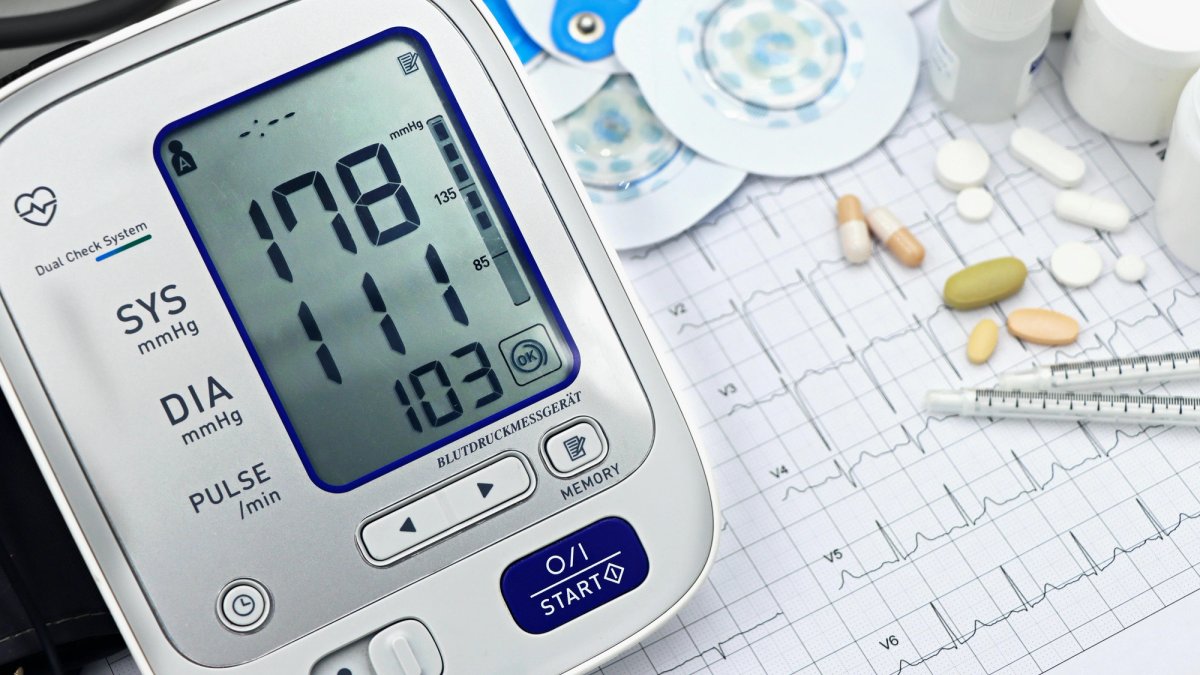
Buy a validated upper-arm monitor, measure morning and evening for a week before each review, write the readings down, and bring the log.

Take your medication at the same time each day, even when you feel well, and do not stop it when the reading comes down — a normal reading means the treatment is working, not that it is no longer needed. Have a yearly review, or sooner after any change, and be cautious with anti-inflammatory painkillers and some cold remedies, which push pressure back up. Well-controlled blood pressure lowers the risk of stroke by a third or more. We follow patients regularly from Paragon Medical Centre.

High Blood Pressure: Common Questions

Concerned About High Blood Pressure?

Dr. Peter Chang offers specialist assessment and personalised management at Paragon Medical Centre, Singapore.