Heart
Heart Failure
A chronic condition where the heart doesn't pump blood as well as it should, leading to fatigue and breathlessness.
Heart failure occurs when the heart cannot pump effectively — causing breathlessness, leg swelling, and fatigue. It affects approximately 1–2% of Singapore's adult population and represents a leading cause of hospitalisation and cardiovascular mortality.
Book a Consultation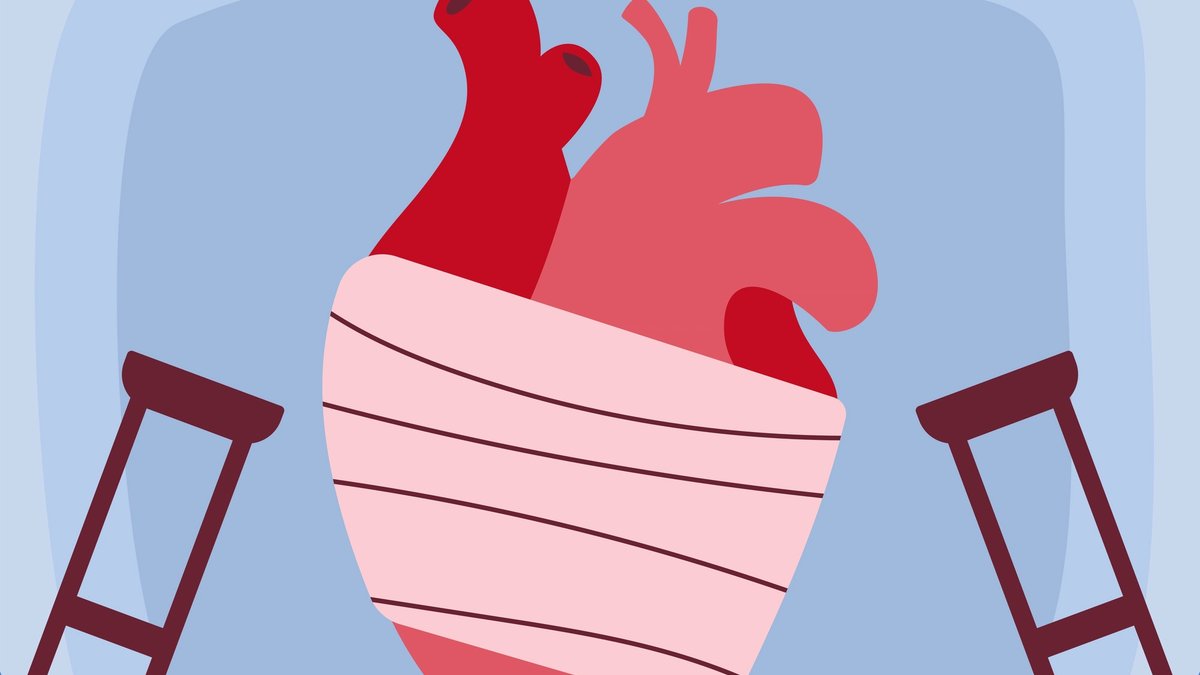
Heart failure occurs when the heart muscle is weakened or stiff, reducing its ability to supply adequate blood to the body.
What Heart Failure Really Means, and What It Doesn't
The name frightens people more than it should. Heart failure does not mean the heart has stopped or is about to. It means the heart is no longer keeping up with the body's demands — either because the muscle has weakened and cannot squeeze hard enough, or because it has stiffened and cannot fill properly.
When the pump falls behind, fluid backs up: into the lungs, causing breathlessness, and into the legs and abdomen, causing swelling. It affects roughly one to two in a hundred adults in Singapore, rising steeply with age. It is a syndrome, not a single disease — and modern treatment has changed its outlook so much that the old assumptions no longer hold.
When the pump falls behind, fluid backs up: into the lungs, causing breathlessness, and into the legs and abdomen, causing swelling. It affects roughly one to two in a hundred adults in Singapore, rising steeply with age. It is a syndrome, not a single disease — and modern treatment has changed its outlook so much that the old assumptions no longer hold.
Weak Pump or Stiff Pump: The Types
We classify heart failure by the ejection fraction — the percentage of blood the main chamber ejects with each beat, measured on an ultrasound scan. It decides which treatments will help.
- HFrEF (reduced, EF below 40%) — a weak squeeze, most often after a heart attack or from a cardiomyopathy. This is the type with the most powerful, life-extending treatments
- HFpEF (preserved, EF 50% or above) — the squeeze looks normal but the heart is stiff and cannot relax. Commoner in older adults, women, and people with high blood pressure, diabetes or obesity. Long untreatable, now not
- HFmrEF (mildly reduced, EF 40 to 49%) — an in-between group that benefits from many of the same drugs as HFrEF
Symptoms, and the Ones That Mean Call Today
Heart failure usually announces itself gradually: breathlessness on exertion that creeps to breathlessness at rest, needing extra pillows to sleep, waking at night gasping, swollen ankles by evening, tiredness, and a rise in weight from retained fluid.
Some changes need a same-day call to your doctor or a trip to hospital.
Some changes need a same-day call to your doctor or a trip to hospital.
- A weight gain of more than 2 kg over two to three days, or rapidly worsening leg or abdominal swelling
- Breathlessness at rest, or being unable to lie flat at all
- Waking suddenly at night fighting for breath
- Light-headedness, a racing or very irregular pulse, or new confusion

Getting the Diagnosis in Singapore
A blood test for BNP or NT-proBNP, a hormone the strained heart releases, is the gatekeeper: a normal level makes heart failure unlikely. If it is raised, an echocardiogram measures the ejection fraction and defines the type.
We then look for the cause — a coronary angiogram or CT to check for artery disease, sometimes a cardiac MRI, and blood tests for thyroid problems, anaemia, iron deficiency and, in the right context, cardiac amyloid. An ECG and chest X-ray round out the picture. This can be arranged at Paragon Medical Centre on Orchard Road or through the restructured heart centres.
We then look for the cause — a coronary angiogram or CT to check for artery disease, sometimes a cardiac MRI, and blood tests for thyroid problems, anaemia, iron deficiency and, in the right context, cardiac amyloid. An ECG and chest X-ray round out the picture. This can be arranged at Paragon Medical Centre on Orchard Road or through the restructured heart centres.

Treatment That Genuinely Extends Life (HFrEF)
For heart failure with a reduced ejection fraction, four classes of medication — often called the ‘four pillars’ — each independently improve survival, and started together and built up over weeks they add years of life and sharply cut hospital admissions.
- An ARNI (sacubitril/valsartan) or an ACE inhibitor / ARB
- A beta-blocker proven in heart failure
- A mineralocorticoid receptor antagonist (spironolactone or eplerenone)
- An SGLT2 inhibitor (dapagliflozin or empagliflozin), originally a diabetes drug, now a cornerstone regardless of diabetes
- Plus a diuretic for fluid, and for selected patients a CRT pacemaker or an ICD; a transplant or LVAD for end-stage disease
Treating the Stiff Heart (HFpEF)
For years there was little to offer here. That has changed.
An SGLT2 inhibitor now reduces hospitalisation and is recommended for almost everyone with HFpEF. The rest of the plan is about the conditions that stiffened the heart in the first place: getting blood pressure to target, controlling diabetes, and — because it is one of the strongest drivers — treating obesity, where weight loss, including with the newer GLP-1 medications, measurably improves symptoms. A diuretic manages congestion, and supervised exercise training improves how far patients can walk.
An SGLT2 inhibitor now reduces hospitalisation and is recommended for almost everyone with HFpEF. The rest of the plan is about the conditions that stiffened the heart in the first place: getting blood pressure to target, controlling diabetes, and — because it is one of the strongest drivers — treating obesity, where weight loss, including with the newer GLP-1 medications, measurably improves symptoms. A diuretic manages congestion, and supervised exercise training improves how far patients can walk.

Living Well With Heart Failure
The day-to-day habits matter as much as the tablets. Weigh yourself at the same time each morning and report a sudden rise. Be sensible rather than extreme with salt and fluid. Keep up your vaccinations — influenza, pneumococcal and COVID — because chest infections are a common trigger for decompensation.
Stay active within your limits; a cardiac rehabilitation programme is one of the best things you can do. Take every dose of the four pillars, even on good days, because stopping them is a frequent reason people slide backwards. Singapore's restructured hospitals run nurse-led heart failure clinics, and we follow patients closely from Paragon Medical Centre, adjusting doses as tolerated. Treated properly, many people feel and function far better than the diagnosis suggests.
Stay active within your limits; a cardiac rehabilitation programme is one of the best things you can do. Take every dose of the four pillars, even on good days, because stopping them is a frequent reason people slide backwards. Singapore's restructured hospitals run nurse-led heart failure clinics, and we follow patients closely from Paragon Medical Centre, adjusting doses as tolerated. Treated properly, many people feel and function far better than the diagnosis suggests.
Heart Failure: Common Questions
Concerned About Heart Failure?
Dr. Peter Chang offers specialist assessment and personalised management at Paragon Medical Centre, Singapore.