Venous
Chronic Venous Insufficiency
A condition where the veins in your legs have trouble sending blood back to your heart, causing pooling and swelling.
Chronic venous insufficiency occurs when leg vein valves fail, causing blood to pool — leading to swelling, varicose veins, and in advanced cases, venous ulcers. It is common but often underdiagnosed.
Book a Consultation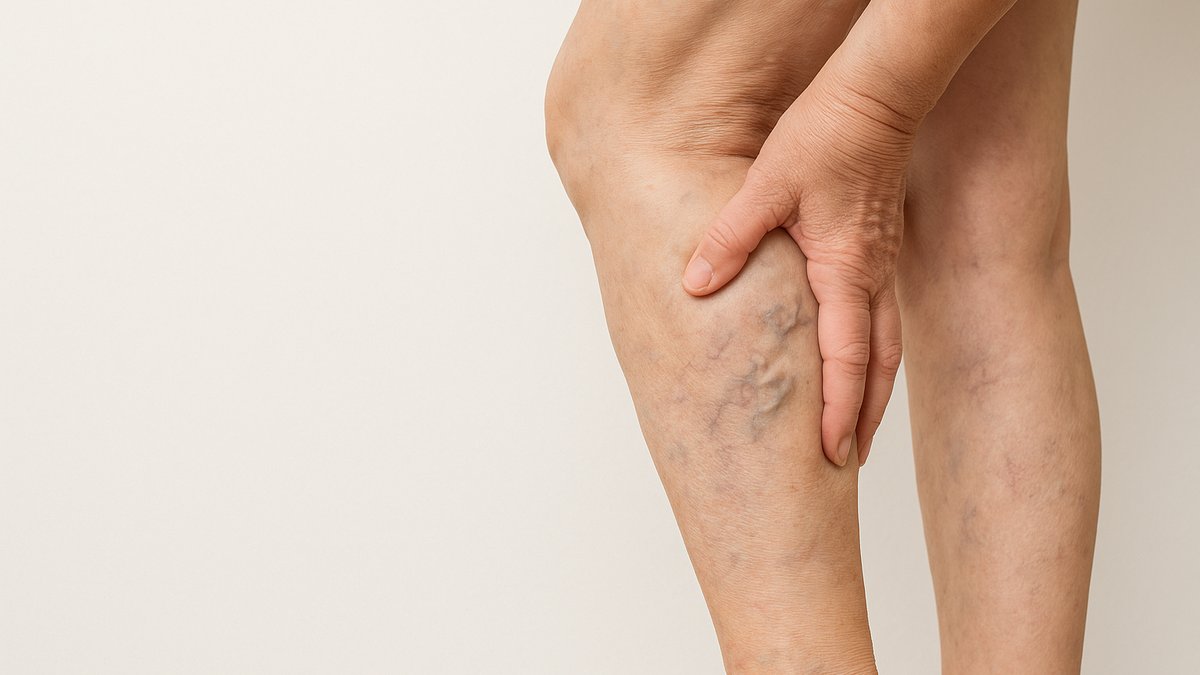
Chronic venous insufficiency leads to blood pooling in the lower legs, which can cause persistent swelling, skin discoloration, and leg ulcers.
Chronic Venous Insufficiency: When Leg Veins Cannot Keep Up
Getting blood back up the leg is hard work. It depends on healthy one-way valves and the squeezing action of the calf muscles with every step. In chronic venous insufficiency (CVI), the valves leak, the calf pump becomes less effective, and blood pools at the ankle under gravity.
Over months and years, that raised pressure pushes fluid and inflammatory cells into the skin. The result is swelling, then brown staining and eczema around the ankle, then hardening of the skin, and at the far end a venous leg ulcer. CVI is very common, under-recognised, and the condition behind most varicose veins, evening ankle swelling, and non-arterial leg wounds.
Over months and years, that raised pressure pushes fluid and inflammatory cells into the skin. The result is swelling, then brown staining and eczema around the ankle, then hardening of the skin, and at the far end a venous leg ulcer. CVI is very common, under-recognised, and the condition behind most varicose veins, evening ankle swelling, and non-arterial leg wounds.
How Bad Is It? The CEAP Ladder
Vascular specialists grade venous disease from C0 to C6. It is worth knowing roughly where you sit, because it guides how urgently to act — though symptoms do not track the grade, and a person with early disease can have more discomfort than someone with skin changes.
- C1 — spider and reticular veins
- C2 — varicose veins
- C3 — leg swelling
- C4 — skin changes: brown pigmentation, venous eczema, or hardening (lipodermatosclerosis)
- C5–C6 — a healed venous ulcer, or an open one

Symptoms Through the Day
The hallmark is a pattern that follows gravity and the clock.
- Heaviness, aching or throbbing that builds through the day and eases overnight or with the legs up
- Ankle swelling that is worse by evening, and worse in Singapore's heat and after long-haul flights
- Itching, night cramps and restless legs
- Around the inner ankle: brown discolouration, dry flaky or weepy skin, and a firm, tight feel to the skin in advanced disease
Diagnosis in Singapore
The examination and a standing venous duplex ultrasound do most of the work. The scan shows which veins are leaking — superficial, deep, or the perforators connecting them — and, importantly, whether there is old damage from a previous deep vein thrombosis, which changes the treatment plan.
We also check the arteries with an ankle-brachial index before recommending compression, and consider other causes of a swollen leg such as heart or kidney disease and lymphoedema. This assessment is available at Paragon Medical Centre on Orchard Road.
We also check the arteries with an ankle-brachial index before recommending compression, and consider other causes of a swollen leg such as heart or kidney disease and lymphoedema. This assessment is available at Paragon Medical Centre on Orchard Road.

Treatment: Compression, Ablation, and Wound Care
The foundation is graduated compression, along with calf-pump activity, elevating the legs when resting, and weight management. Compression relieves symptoms and, in more advanced disease, helps skin heal and stay healed.
- Endovenous ablation (radiofrequency or laser), with sclerotherapy for branches, where the duplex shows significant superficial reflux — it improves symptoms and, treated early, helps venous ulcers heal faster
- Deep vein stenting in selected patients with a blocked or narrowed vein in the pelvis
- Structured wound care for a venous ulcer — compression bandaging plus dressings — alongside treating the underlying reflux, which prevents recurrence
Living With CVI, and Protecting the Skin
Day to day, the things that matter are wearing your compression (the hardest part is the habit), doing ankle-pump exercises when you have to stand or sit for long, elevating the legs above heart level when you rest, and moisturising daily to keep the ankle skin from cracking.
Watch the inner ankle for any change in colour or texture, and treat any break in the skin quickly rather than waiting. Keep walking, keep to a healthy weight, avoid long unbroken periods of standing, and use compression on long flights. With this routine, CVI is very manageable and its progression is largely preventable. We review patients at least yearly from Paragon Medical Centre.
Watch the inner ankle for any change in colour or texture, and treat any break in the skin quickly rather than waiting. Keep walking, keep to a healthy weight, avoid long unbroken periods of standing, and use compression on long flights. With this routine, CVI is very manageable and its progression is largely preventable. We review patients at least yearly from Paragon Medical Centre.
Chronic Venous Insufficiency: Common Questions
Concerned About Chronic Venous Insufficiency?
Dr. Peter Chang offers specialist assessment and personalised management at Paragon Medical Centre, Singapore.